Sponsored article
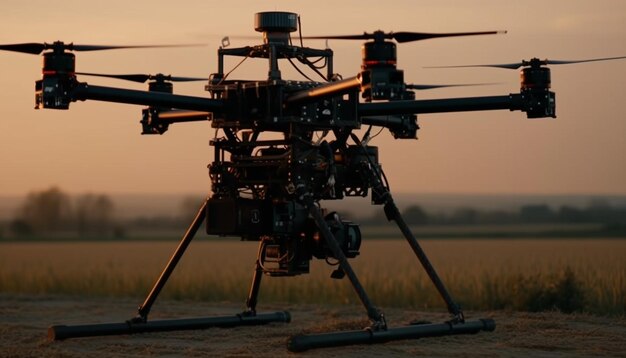
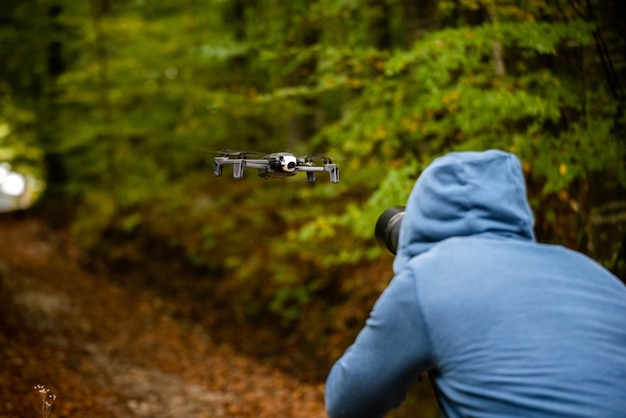
With the rapid proliferation of drones in various sectors, from commercial to recreational, the need for effective detection systems is more crucial than ever. Advanced imaging technologies are playing a pivotal role in enhancing these systems, providing improved accuracy and reliability. This article delves into the state-of-the-art developments in imaging solutions for detecting drones, addressing both the challenges faced by existing systems and the promising innovations on the horizon.
Recent innovations in imaging technologies have revolutionized the landscape of drone detection, offering unprecedented capabilities to monitor and secure airspace. The integration of infrared and radar systems in modern detection solutions ensures comprehensive coverage and identification of UAVs (Unmanned Aerial Vehicles), even in challenging environmental conditions. Infrared imaging, in particular, allows for the detection of thermal signatures, enabling operators to identify and track drones that might otherwise evade visual detection. Meanwhile, radar systems provide crucial data about the speed and trajectory of these aerial devices, adding an additional layer of security and accuracy to detection processes.
A key advancement in this domain is the development of Electro-Optical/Infrared (EOIR) cameras, which merge optical and thermal imaging to deliver superior surveillance capabilities, both day and night. By combining these technologies, EOIR camera offer continuous zoom and automatic target tracking features that significantly enhance detection efficiency. These innovations are crucial for sectors like military defense, infrastructure protection, and event security, enabling stakeholders to maintain control and ensure safety against potential threats posed by unauthorized drones.
In the ever-evolving landscape of drone detection, current methods face significant challenges that often impede their effectiveness. One of the primary limitations is the high rate of false alarms, which can be triggered by benign objects or environmental factors like birds, weather conditions, and even stationary structures. These false alarms not only drain resources but also create a lack of trust in the accuracy of drone detection systems, hindering their widespread implementation. Current methods tend to rely heavily on radar, acoustic sensors, and RF detection, each with its own set of vulnerabilities and susceptibility to inaccuracies. Radar systems, for instance, can struggle to distinctly identify small drones, while acoustic sensors can be overwhelmed by ambient noise in urban environments.
Moreover, the reliability of these systems is often questioned, especially when they are integrated into critical infrastructure protection schemes. Issues such as signal interference, limited detection ranges, and a lack of ability to precisely track and identify multiple drones simultaneously highlight the pressing need for advancements in drone detection technologies. These challenges emphasize the necessity for more refined and robust methods that leverage advanced imaging technologies to minimize false alarms and enhance the reliability of detections. As drones become more prevalent in various sectors, overcoming these current limitations is crucial for ensuring the secure and uninterrupted operation of airspace and ground spaces.
As we look towards the future trends in drone detection technology, several advancements are poised to redefine the landscape. Increasingly sophisticated imaging systems are being developed, leveraging advancements in sensor technology to provide unprecedented levels of detail and accuracy in identifying rogue drones. The integration of AI into these systems promises to revolutionize the field, enabling real-time data processing and decision-making capabilities far beyond current manual systems. This will not only improve the speed and efficacy of drone detection but also reduce false positives, thus enhancing the overall reliability of these systems.
Moreover, emerging trends such as the incorporation of machine learning algorithms and neural networks are set to further augment the capabilities of drone detection technology. These AI-driven approaches allow systems to learn from each encounter, continually refining their detection parameters and adapting to new threats. As the technology evolves, we also anticipate a greater emphasis on networked detection systems, wherein multiple sensors and platforms work in concert to provide a comprehensive surveillance solution, ensuring optimal coverage and accuracy in even the most challenging environments.