Sponsored article
In an era where aerial threats are evolving rapidly, the integration of advanced surveillance technologies into security frameworks has become indispensable. These technologies, including artificial intelligence, sophisticated radar systems, and innovative drone applications, provide a nuanced edge in recognizing and averting potential threats from above. By leveraging these tools, security experts are better equipped to protect sensitive areas and ensure airspace safety against new-age challenges.
The advent of artificial intelligence in surveillance has revolutionized aerial threat detection by leveraging machine learning algorithms to enhance the accuracy and efficiency of identifying potential security threats. AI in surveillance is particularly transformative in processing vast amounts of data quickly, which is crucial for real-time threat recognition. By integrating advanced AI techniques, security systems can rapidly differentiate between benign and malicious aerial entities, offering unprecedented precision in monitoring aerial spaces. Machine learning in security allows for adaptive learning, where systems continuously improve their threat recognition capabilities through experience and incoming data. The use of AI proves indispensable in environments where EOIR drone tracking cameras seamlessly integrate with existing infrastructure, offering dynamic imaging and analytical capabilities that support proactive decision-making. As these technologies evolve, they empower security teams by enhancing situational awareness and ensuring rapid response against modern aerial threats.
Innovative radar systems have become crucial in threat prevention, particularly when it comes to safeguarding airspace against potential aerial threats. The latest advancements in radar technology have significantly enhanced both the range and accuracy of these systems, allowing not only the early detection of incoming aerial objects but also the precise identification of their nature and intent. These cutting-edge systems leverage advancements such as active electronically scanned arrays (AESA) and advanced signal processing techniques, which improve the tracking and classification of fast-moving objects. Additionally, the integration of AI and machine learning algorithms enables these radars to anticipate and analyze potential threats more effectively, providing rapid response capabilities to security forces. This integration ensures that even the most sophisticated aerial threats are detected promptly, ensuring robust airspace security. As radar technology continues to evolve, its role in aerial threat prevention only becomes more indispensable, offering an unparalleled layer of defense and ensuring the safety of the skies.
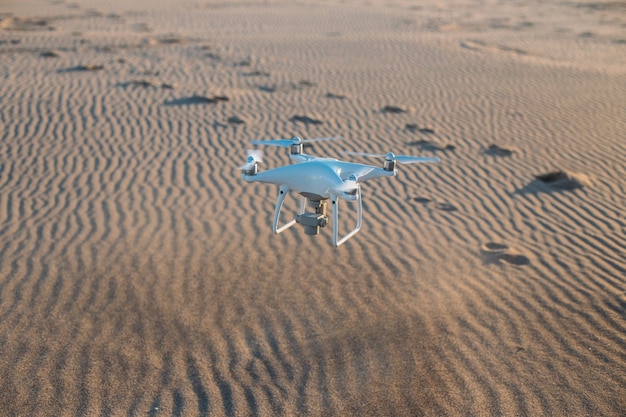
In the ever-evolving landscape of security, deploying drones for enhanced aerial surveillance is revolutionizing the way we monitor and protect our skies. Utilizing drones in security provides a sophisticated method to augment traditional surveillance systems, offering a dynamic approach to safeguarding airspace. With the advancement of UAV technology, drones become essential tools for a myriad of security applications. Key benefits of drone deployment in aerial surveillance include:
The versatility and efficiency of drones in security underscore their pivotal role in a comprehensive aerial surveillance strategy, dramatically improving our ability to preemptively address and neutralize aerial threats.